HUNGER Economy Guide
Three coins, vendor reputation, Profession crafts, and the player marketplace planned for Early Access.
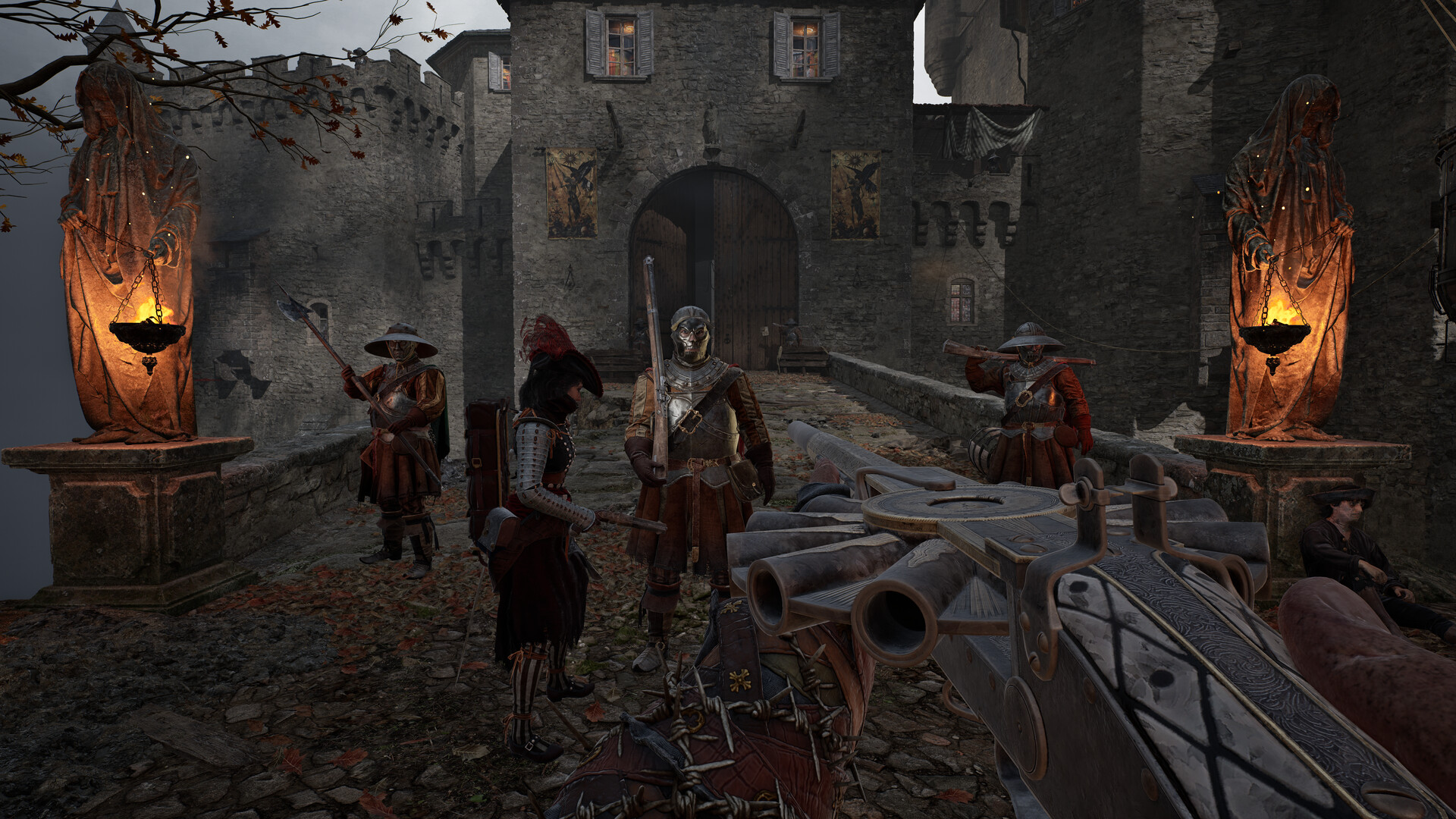
All trade in HUNGER flows through three coins—Copper, Silver, and Gold—with automatic 100:1 conversion between tiers. This guide explains how coin enters your Stash, how vendors and reputation work, how Professions feed value, and what is known about the Auction House before Open Beta (27–29 November 2026) and Early Access (3 December 2026, 10:00 GMT). Pair it with Getting Started for the hub loop and How to Extract for the rule that matters most: dead loot does not pay.
Source of truth for currency rules is Missive XI and related Steam posts from GOOD FUN CORP (Steam app 1752080). Vendor margins and item availability were still being tuned after Tech Test 3 and Closed Beta, so treat any coins-per-hour chart from a test build as disposable.
Copper, Silver, and Gold
| Coin | Role | Conversion |
|---|---|---|
| Copper | Smallest measure for common trade | Base unit |
| Silver | Median currency for sturdier goods | 100 Copper = 1 Silver |
| Gold | High-value mark of wealth | 100 Silver = 1 Gold (10,000 Copper) |
Conversion is automatic. You do not visit a money changer. Missive X notes that funds from a successful return are automatically transferred to your Stash into a dedicated currency slot. Each Living has their own Stash; higher-level accounts later unlock a Vault shared across characters.
How coin actually enters your account
- Loot and extract. The Steam page frames Expeditions as the path to advanced weapons, bags, armour, cosmetics, ingredients, and resources. Loose coins can also be found in the world.
- Carry more with bags. Official looting notes say bags let you extract more per run and build reserves faster. Finding a bag early is a first-week goal.
- Sell to vendors. NPC traders in the Chateau buy and sell with category preferences, limited stock, and refreshing inventories.
- Complete quests. Early quests grant basics; later lines can reward weapons, rare materials, crafting recipes, and cosmetic Schemas.
- Craft with a Profession. Keep items, supply friends, or sell into the player-driven marketplace once it exists.
- Sell duplicate Schemas. Cosmetics you already redeemed keep trade value—sell instead of wasting the redeem.
Failed extracts erase the expedition haul. An early balloon with a half-full bag beats a full bag you never bank. Map knowledge on Maps & Expeditions is therefore economic knowledge.
Vendors and reputation
Missive XI rules of thumb:
- Each vendor specialises in preferred item categories.
- Stock is limited and refreshes over time.
- Prices fluctuate with market condition, but reputation carries weight.
- Raise reputation through repeated transactions, vendor quests, and errands.
- Higher reputation unlocks rarer goods, better prices, and exclusive opportunities.
Tech Test 3 vendors launched with very high margins to preview a future player-trade ceiling; Missive XII reported those margins were cut significantly. Missive XVII still listed vendor availability balancing as unfinished work. Practical advice: pick up vendor quests early so trust unlocks inventories you cannot buy cold.
Auction House and player trading
“Player driven marketplace” is on the Steam feature list. Developer posts call it the Auction House. It was not in Tech Tests or Closed Beta. Missive II says the in-game Auction House will be introduced during Early Access—wording that covers the whole EA period, not necessarily day one.
Until it ships:
- Plan week-one income around extracts, quests, and vendors.
- Do not assume direct player trade windows; official posts emphasise vendors and the future Auction House.
- When the Auction House lands, vendors are meant to remain a price floor and ceiling for the economy (Missive XII).
Longer term, Missive language describes linking players, guilds, and regional markets into a living exchange network. Trader-main playstyles are explicitly called valid and vital once that network exists.
Professions as an economic engine
Nine Profession crests appear in official art (Scavenger, Naturalist, Conservator, Metallurgist, Outfitter, Cook, Physician, Artificer, Gunsmith). Gathering nodes sit on Expeditions; crafting happens in the Chateau after you unlock the Cauldron district. Full role breakdown: Professions guide.
Economic angles:
- Physician / Gunsmith — constant consumable demand for combat groups.
- Outfitter — bags and kit that raise extract value per run.
- Cook — food and drink for Stamina and burst performance.
- Gatherers — raw inputs that crafters and vendors both want.
Profession learning costs were reduced in Tech Test notes; confirm the live silver fee before you spend Open Beta coin you will lose anyway.
Cosmetics, Schemas, and trade value
Cosmetic Schemas are blueprints redeemed and crafted from ingredients in the Chateau. They can be bought from rare vendors with coin or tradeable resources, and later from players via the Auction House. Ingredients take on value based on the cosmetic they craft. Paid Schemas planned after Early Access cannot be on-sold in-game.
Wipes and what persists
- Early Access: no forced wipes for progression—coins, Stash, and Profession growth are meant to persist from the 3 December launch shard forward (gear can still be lost on death).
- Open Beta: progress does not carry over. Spend freely; learn systems; restart clean.
Roadmap endgame modes (Ordeals, Battlegrounds, Trials) will create new sinks and reward spikes—track them on Endgame Ordeals & Battlegrounds and the Updates hub.
Practical money checklist
- Bank valuables with Louis before every risky queue.
- Prioritise a bag upgrade path early.
- Extract on time; unfinished Expeditions pay nothing.
- Raise at least one vendor’s reputation in your first sessions.
- Unlock Professions in the Cauldron when available.
- Keep duplicate Schemas for sale instead of dead inventory.
- Watch Missives for Auction House timing before you main a pure trader.
- Re-earn everything after Open Beta on the EA shard.
Related: Guides Hub, Early Access, System Requirements, Links.
Frequently Asked Questions
Quick answers to the most common questions.
What currency does HUNGER use?
Copper, Silver, and Gold. 100 Copper equals 1 Silver and 100 Silver equals 1 Gold. Conversion is automatic.
Where do coins go after a successful extract?
Funds transfer automatically into a dedicated currency slot in that Living’s Stash. Higher-level accounts later unlock a shared Vault.
Is there an Auction House at launch?
The Auction House was not in earlier tests. Developer posts say it will be introduced during Early Access; day-one presence is not guaranteed.
How do vendor prices work?
Vendors specialise, refresh limited stock, and improve prices and rarer goods as your reputation rises through trade and quests.
Does the economy wipe in Early Access?
No forced wipes are promised for EA progression. Open Beta economy progress does not transfer to the Early Access shard.