HUNGER Melee & Gun Combat
Hybrid firearms and melee built around two resource bars and Mastery trees.
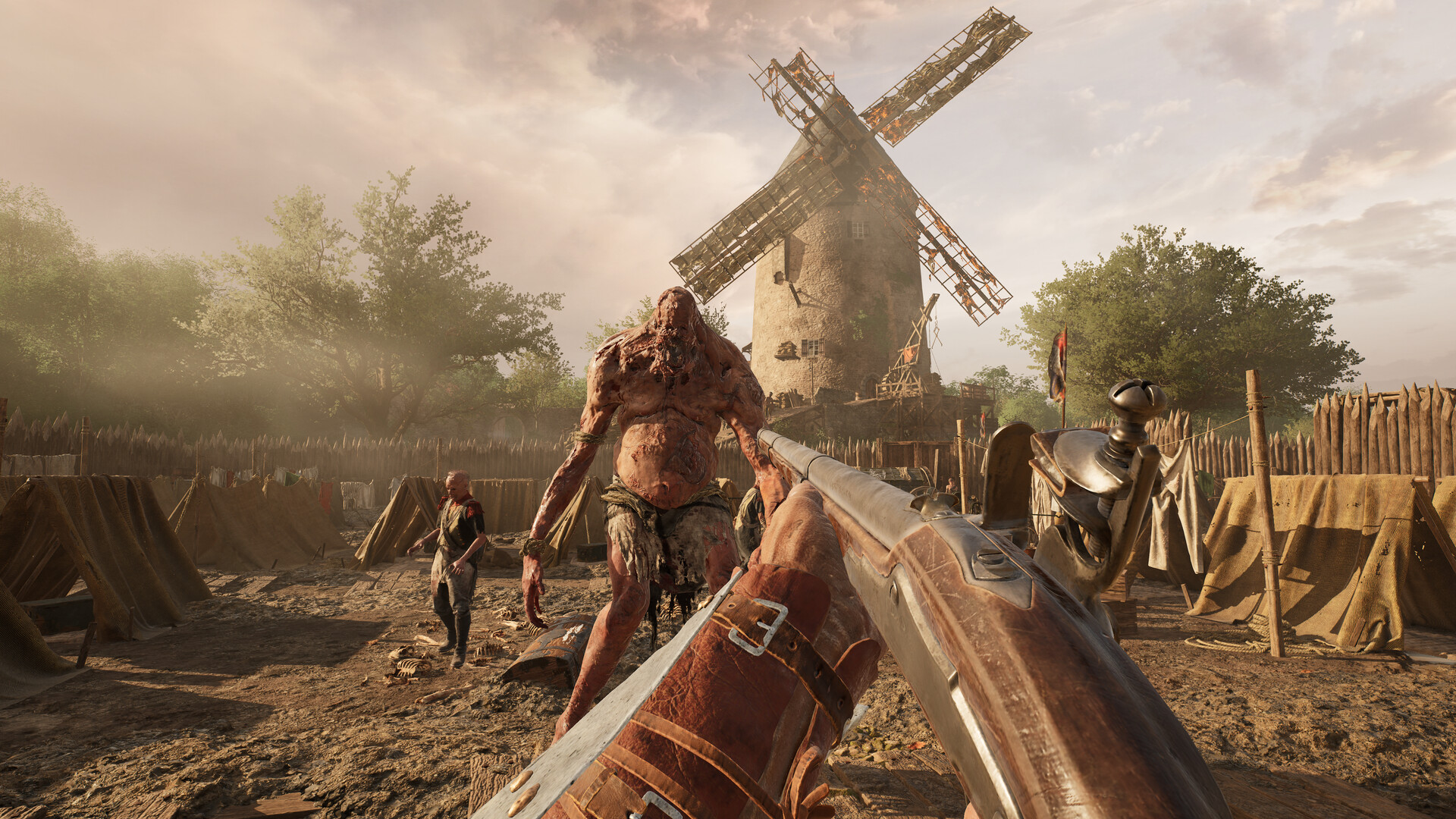
HUNGER combat is a hybrid of Napoleonic-era firearms and a full melee system, not a shooter with a knife hotkey. GOOD FUN CORP designed fights so range, reload timing, stamina, and guard discipline all matter. Early Access ships 40+ weapons. This guide explains the resource model, how melee and guns interact, and how Masteries and Living abilities shape a build.
Prep and extract still decide who keeps the loot — see Getting Started and How to Extract. Map sightlines change every fight; study Maps & Expeditions. Character kits live under Players and early rankings under Tier List.
Two bars: Stamina and Energy
Missive VII splits endurance into two pools:
- Stamina — movement and traversal. Sprint, jump, and vault spend it. It regenerates when you are stable and grounded. Melee-focused Living usually need strong Stamina management to close gaps; firearm builds often trade some of that efficiency for other strengths.
- Energy — melee combat control. Light attacks, heavy attacks, lunges, and blocks draw from the same Energy pool. Empty Energy and swings slow, blocks weaken, and opponents take the exchange.
Food supports endurance. Drink supports burst performance. Masteries, trinkets, and other items can change gain rates and costs. Dumping both bars before a balloon fight is a common beginner loss condition.
Melee fundamentals
Melee is directional. Crosshair angle influences swing path (side, thrust, overhead depending on weapon and input). You can feint by cancelling a swing. Holding guard costs Energy over time; a well-timed block just before impact parries and stuns the attacker briefly, opening a punish window.
Practical habits:
- Do not sprint-spam into a loaded musket; use cover, then spend Stamina on the final close.
- Keep Energy in reserve for the block that saves you after a miss.
- Heavy swings that whiff are punishable — commit when spacing is real.
- Some Masteries (for example Lightning Reflexes in testing) let a raised melee guard interact with incoming bullets at an Energy cost. Treat bullet deflection as a specialised investment, not a default free defence.
Weapon classes span knives and clubs up through sabres, spears, axes, halberds, and heavier two-handers. Primary slots favour two-handed arms; secondary slots favour one-handers such as pistols or daggers. Exact damage tables change between tests — learn timings in the Open Beta rather than memorising outdated spreadsheets.
Firearms fundamentals
The arsenal matches the setting: muskets, rifles, pistols, revolvers, and tools such as a hand mortar alongside the blades. Firearms are powerful but constrained by reload time, magazine size, and ammunition type. Each gun expects matching rounds — packing the wrong ammo wastes inventory space.
Gunfight habits that transfer from tests:
- Respect long reloads; reposition or draw melee instead of standing still mid-reload.
- Do not dump scarce ammo into low-threat Hunger when other Living are near.
- Headshot priority matters on explosive or special infected types when those variants appear.
- Cannons or world weapons can save a dry magazine on some maps — learn locations while you study routes.
Martial Masteries emphasise ranged control (reload speed, weapon handling). Arms Masteries emphasise melee progression. Split your early points according to the fights you actually take, not a fantasy hybrid that underfunds both.
Living abilities and party roles
The six launch Living — Eva, Gabriel, Hugo, Marie, Otto, and Serine — each bring Passive, Tactical, and Ultimate tools. Abilities were rebalanced during testing; treat community number sheets as provisional until you verify them in your build. Broad roles seen in tests:
- Mobility and stealth tools for flanking or silent approaches.
- Temporary ranged damage reduction or shot absorption for pushes.
- Self-heal on damage or damage-reduction ultimates for melee holds.
- Support kits that revive faster, heal allies, or repair armour in duos and trios.
Weapons are not class-locked in official descriptions. You can build any Living toward guns, blades, or mixed play; Masteries and Profession choice do more of the specialisation work. More roster detail: Players.
Fighting the Hunger vs fighting Living
Vs Hunger (PvE): conserve stamina for disengage, use melee on weak packs when ammo is tight, and respect special behaviours (for example explosive enemies that punish body shots). Hunger chase ranges are limited in many encounters — breaking line of sight and resetting is valid.
Vs Living (PvP): assume third parties on balloon smoke. Win the resource war: force reloads, punish empty Energy, and deny zone time during extraction. Party voice helps call flanks. Solo players should avoid prolonged mid-field brawls when a balloon is already descending elsewhere.
Extraction combat is its own mini-game. Completing the 30-second zone timer while under fire requires holding space inside the circle; see How to Extract for reverse-timer and party-interact rules.
Mastery trees and long-term builds
Five Mastery trees hold 100+ Masteries. Confirmed design notes:
- Martial — ranged combat focus.
- Arms — dedicated melee progression (split from the older combined Martial tree).
- Additional trees cover stealth and utility themes (quieter footsteps, lockpicking) and support themes (armour repair, healing), with Cunning among the named trees in official materials.
Levels run 1–100. Prestige later lets you start a new Mastery journey while carrying abilities forward — the studio’s answer to long-term play without forced wipes in Early Access. Open Beta progress still resets; practise trees freely on 27–29 November 2026, then commit on 3 December 2026, 10:00 GMT.
Loadout checklist before a fighty Expedition
- Primary and secondary that share a plan (gun+blade or dual-range).
- Correct ammunition types only.
- Medical items and at least one stamina/energy consumable path (food/drink).
- Bag space for quest items without stripping combat tools.
- Banked backups with Louis so one death does not erase your progression kit.
- Clear extract plan on the chosen map before greed for dungeon keys.
Track balance patches on Updates and launch policy on Early Access. Hardware sanity check: System Requirements. Official channels: Links. Return to the Guides Hub for the full walkthrough set.
Frequently Asked Questions
Quick answers to the most common questions.
What is the difference between Stamina and Energy?
Stamina fuels sprinting, jumping, and vaulting. Energy fuels melee attacks and blocks. Exhausting either bar weakens your control of a fight.
Is melee viable against guns in HUNGER?
Yes when you close gaps after forcing a reload or using cover. Firearms are strong at range; melee is a deep system with directional attacks, feints, blocks, and parries.
Which Mastery trees matter for combat?
Martial focuses on ranged combat; Arms focuses on melee. Other trees add stealth, utility, and support tools. There are five trees and 100+ Masteries total.
Are weapons locked to specific Living?
Official descriptions do not lock the 40+ weapons to single characters. Specialisation comes from abilities, Masteries, gear, and Profession choices.
How should I fight at a balloon?
Hold or contest from inside the extraction zone so the 30-second timer advances, manage Stamina/Energy, and remember every party member must still interact with the balloon after the timer.